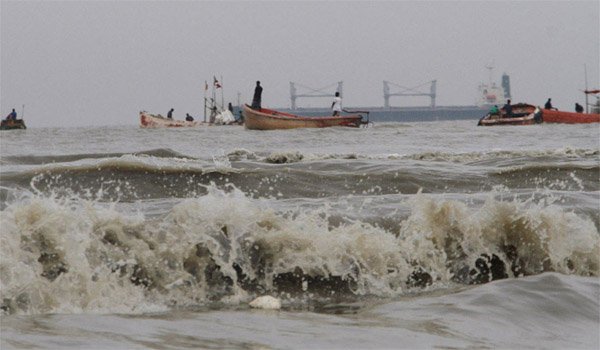



Since antiquity, the deep ocean has stirred profound emotional and intellectual resonance in humanity—an abyss not merely of water, but of mystery, power, and the unknown. This enduring fascination manifests in ways that transcend scientific inquiry, shaping art, music, storytelling, and even technological innovation. From the haunting beauty of deep-sea imagery inspiring contemporary visual artists to the visceral experience of pressure and darkness informing new artistic forms, the ocean’s silent depths act as a wellspring of creative inspiration.
The psychological resonance of deep-sea imagery draws deeply on human perceptions of awe and vulnerability. The crushing pressure, perpetual darkness, and alien ecosystems evoke a profound sense of the sublime—a concept explored by philosophers like Kant, who linked such experiences to transcendent beauty beyond rational understanding. In contemporary visual art, artists such as Refik Anadol and Olafur Eliasson channel these sensations through immersive installations that manipulate light, sound, and spatial perception to replicate the oppressive yet mesmerizing atmosphere of the abyss. Eliasson’s works, for example, use projected deep-sea bioluminescence patterns and low-frequency soundscapes to create visceral encounters that mirror the quiet menace and awe of the deep.
Abstract representations of darkness and pressure do more than depict the deep ocean—they inspire radical innovation in artistic medium. Sculptors and installation artists respond to the physical constraints of submersible exploration and ROV cinematography by crafting forms that suggest weightlessness and resistance, echoing the struggle of pressure beneath thousands of meters of water. For instance, artist Marshmallow Laser Feast created an interactive exhibit where viewers navigate a labyrinth of suspended translucent tubes, each vibrating subtly to simulate the sensory isolation experienced by deep-sea explorers, transforming technical constraints into poetic metaphor.
The evolution of deep ocean technology—submersibles like the Alvin, ROVs equipped with high-definition cameras, and autonomous drones—has profoundly influenced artistic practice. Cinematic techniques developed for underwater filming now inform digital art, virtual reality, and projection mapping. The dynamic lighting and slow, deliberate movements captured in submersible footage inspire filmmakers and digital artists to emulate the rhythm of deep-sea discovery. Interactive installations often integrate real-time data feeds from oceanographic missions, allowing audiences to experience the deep not as a passive subject but as a living, responsive environment.
Underwater acoustics form one of the ocean’s most compelling frontiers for artistic creation. Hydrophone recordings reveal a hidden world of rhythm and texture—whistles from whale song, clicks from dolphins, and the low-frequency hum of shifting tectonic plates. Experimental musicians such as Brian Eno and Ólafur Arnalds integrate these natural soundscapes into ambient compositions, crafting immersive audio art that evokes the ocean’s quiet, ancient pulse. These works invite listeners to perceive the deep not as empty silence, but as a resonant, living symphony.
Hydrophone arrays capture sounds across frequencies beyond human hearing, revealing a complex acoustic ecology. Artists and sound designers convert these signals into audible forms using spectral mapping and spatial audio techniques. For example, projects like “Songs of the Deep” transform real-time hydrophone data into evolving sonic tapestries, where pressure waves become melodic contours and bioluminescent pulses trigger rhythmic pulses. This fusion of science and art opens new pathways for empathy, allowing audiences to ‘hear’ the ocean’s hidden life and reimagine the abyss as a sensory universe.
The deep ocean’s enduring mystery fuels mythology and imagination, persisting in modern storytelling and speculative fiction. From Lovecraft’s cosmic horrors to contemporary climate fiction, the abyss symbolizes both existential terror and infinite possibility. These narratives reflect deep-seated human anxieties about our place in an unexplored world—echoes of ancient fears now reinterpreted through futuristic lenses.
The transition from passive wonder to active reinterpretation is central to the deep ocean’s cultural impact. Exploration no longer ends in discovery—it sparks collaboration between scientists and artists, merging empirical data with creative vision. Projects like “Ocean X” exemplify this synergy, combining deep-sea research with multimedia storytelling to produce exhibitions, films, and educational tools that inspire both awe and action.
As technology reveals the deep’s secrets, artists reimagine these findings not as static images but as dynamic, multisensory experiences. Sculptures respond to real-time ocean data; digital installations visualize submersible footage in immersive soundscapes. This active engagement transforms public understanding—turning scientific exploration into shared cultural dialogue.
Collaborative ventures now routinely unite marine biologists, engineers, and artists, creating hybrid works that serve both aesthetic and educational purposes. Platforms like “The Ocean Signal” foster such interdisciplinary exchange, producing projects where deep-sea sensor data informs generative art, and robotic exploration inspires new performance forms. These partnerships not only expand creative frontiers but also deepen societal appreciation for ocean health.
Deep ocean exploration acts as a powerful catalyst for cross-disciplinary collaboration, weaving together science, art, and technology into a shared vision of discovery. This convergence reshapes how we perceive the deep—not merely as a frontier to conquer, but as a partner in creativity and innovation.